AWD vs. FWD vs. 4WD: Which Drivetrain Is Right for Used SUVs in Westchester County Winters?
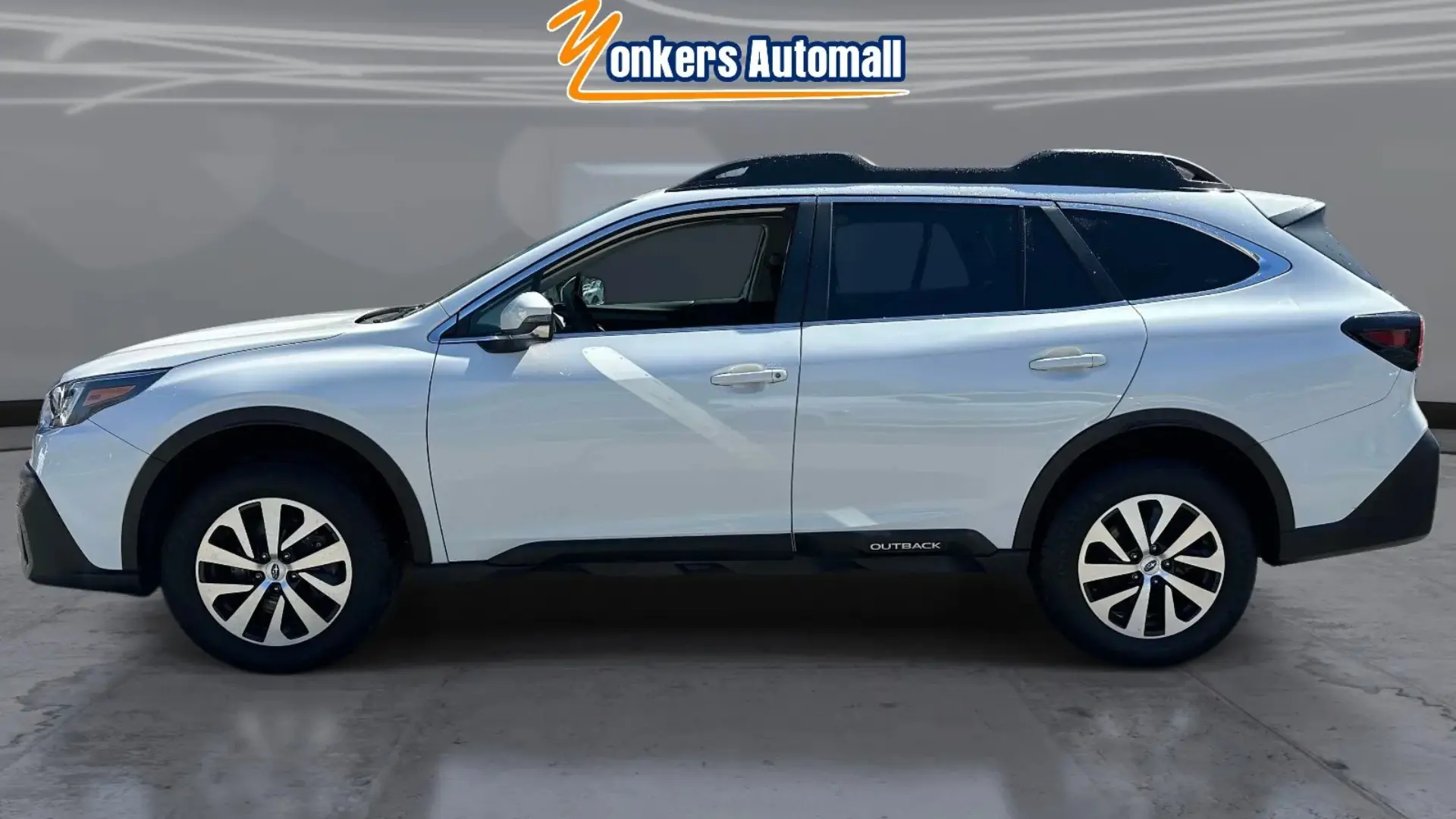
Used SUVs in Westchester County require a drivetrain evaluation before purchase, and at Yonkers Automall we walk buyers through this decision every fall because it is one of the most consequential choices in any used vehicle purchase. AWD, FWD, and 4WD systems perform differently on the salt-treated roads, highway stretches, and suburban grades that define winter driving between Yonkers, the Bronx, and the surrounding region. Most buyers treat drivetrain as a checkbox feature rather than a functional decision, and that misunderstanding leads to either overpaying for capability they do not use or underbuying for conditions that genuinely demand more traction. This guide breaks down how each system works, what it costs to own over time, and which pre-owned makes and models in our inventory deliver the best real-world value for local winter driving.
Making the Right Drivetrain Decision Before You Buy
How AWD, FWD, and 4WD Actually Work — and When Each Matters on Westchester Roads
Understanding what each drivetrain system does mechanically is the starting point for making an informed decision, and it is a conversation our team at Yonkers Automall has with buyers every week during fall and winter shopping season. The marketing language around these systems is frequently imprecise, which leads buyers to overestimate the capability of some configurations and underestimate others.
Front-wheel drive sends power exclusively to the front axle. The front wheels handle both steering and propulsion, which creates a natural tendency toward understeer in slippery conditions. On the salted and plowed roads typical of Westchester County suburban driving, FWD with a quality set of winter tires performs adequately for most daily use scenarios. The system is lighter, simpler, and less expensive to maintain than AWD or 4WD. If your daily routine takes you through Yonkers and into the Bronx on maintained roads, FWD should not be dismissed automatically — and our inventory includes well-maintained FWD crossovers at price points that make the ownership math compelling.
All-wheel drive distributes power across all four wheels simultaneously, with sophisticated systems continuously varying torque distribution based on traction feedback from each wheel. Modern AWD systems found in the pre-owned crossovers and SUVs on our Yonkers lot operate automatically without driver input, which makes them well-suited to the unpredictable mix of conditions Westchester County drivers encounter: dry pavement on major roads transitioning to unplowed residential streets, or wet highways giving way to icy on-ramps. AWD improves acceleration traction meaningfully in compromised conditions. It does not, however, reduce braking distance. This distinction matters and is consistently misunderstood by buyers who equate AWD with overall winter safety rather than specifically with traction during acceleration and cornering — and it is something our team clarifies for every buyer considering an AWD vehicle at Yonkers Automall.
Four-wheel drive locks the front and rear axles to rotate at the same speed, maximizing traction for low-speed off-road and deep-snow scenarios. Most 4WD systems on the trucks and traditional SUVs in our inventory require the driver to engage them manually and are not designed for continuous use on dry or wet pavement. For Westchester County drivers who spend most of their time on maintained roads, 4WD provides less practical day-to-day benefit than a modern AWD crossover system. Its value is greatest for buyers who regularly navigate unplowed terrain or transport heavy loads through winter conditions — and we can help you identify which configuration fits your actual driving life.
Cost-of-Ownership Comparison: What Drivetrain Choice Costs You Beyond the Sticker
Drivetrain choice has a direct and measurable impact on what a vehicle costs to own beyond the purchase price. At Yonkers Automall, we encourage buyers to factor running costs into their decision before they fall in love with a specific vehicle — because the right drivetrain for your budget is as important as the right drivetrain for your road conditions.
Fuel economy differences between FWD and AWD are real. AWD systems add weight and mechanical complexity, and the transfer case and additional driveshaft components create parasitic drag that reduces fuel efficiency. The gap varies by vehicle and system design, but AWD crossovers typically return fewer miles per gallon than their FWD counterparts. Over tens of thousands of miles of local commuting, that difference accumulates. Before committing to AWD, compare the fuel economy ratings between FWD and AWD versions of the same model and calculate whether the traction benefit justifies the running cost for your specific driving patterns. Our team can pull those comparisons for any vehicle in our inventory.
Maintenance costs follow the same directional logic. AWD systems include additional components that require periodic service: transfer case fluid, rear differential fluid, and the electronic or mechanical coupling mechanisms that manage torque distribution. FWD vehicles carry none of these service requirements. On older pre-owned vehicles, a neglected AWD service history can translate into costly repairs down the road. At Yonkers Automall, every vehicle is Carfax Certified — which means you can verify whether those AWD service intervals were honored before you commit. When reviewing any used AWD crossover or SUV in our inventory, confirm that transfer case and differential fluid changes appear in the documented service history.
AWD vehicles also require more careful attention to tire matching. Some AWD systems require all four tires to be replaced simultaneously rather than in pairs, because uneven tread depth across axles can stress drivetrain components over time. For buyers who want both AWD and dedicated winter tires — which remains the strongest combination for Westchester County driving — budgeting for a second set of wheels and tires is a practical consideration. Use our payment calculator to build all ownership costs into a realistic monthly figure before you decide.
Which Pre-Owned Makes and Models at Yonkers Automall Are Best for Westchester Winters
Knowing which drivetrain to prioritize narrows the field, but the specific make and model matters as much as the system type. At Yonkers Automall, our inventory reflects what actually performs well in the Westchester County and Bronx market — not just what is available, but what we can stand behind as a reliable choice for local winter conditions.
For AWD crossover buyers, the Toyota RAV4 AWD and Honda CR-V AWD rank consistently among the most reliable pre-owned options we carry. Both feature competent all-wheel-drive systems, strong owner satisfaction scores, and widely available service parts that keep maintenance costs predictable for the life of your ownership. The Subaru Outback and Forester offer symmetrical AWD as standard equipment across most trim levels, which reduces the configuration research burden and delivers consistent traction performance. Subaru's AWD system carries a strong reputation for low-speed traction on unplowed suburban roads, though average maintenance costs run slightly higher than Toyota or Honda equivalents — a tradeoff worth weighing before you commit.
For buyers considering used trucks with 4WD, the Ford F-150 and Chevrolet Silverado with part-time 4WD remain the most practical options in our Westchester and Bronx market inventory due to parts availability and the depth of the regional service network. These trucks carry higher ownership costs than crossovers but provide towing capacity and payload capability that no crossover can match.
Budget-conscious buyers should look closely at our used crossover selection, where AWD models from Toyota, Honda, and Mazda regularly appear with documented service histories and manageable mileage at prices that make sense. Browse our current used SUV inventory and used truck inventory, and filter by budget on our vehicles under $20,000 page to identify AWD options in your price range before you visit the lot.
Frequently Asked Questions
Is AWD necessary for winter driving in Westchester County?
AWD is not strictly necessary, but it provides a meaningful advantage in the specific conditions Westchester County drivers encounter most: unplowed residential streets, wet on-ramps, and any situation where controlled acceleration on a slippery surface matters. On the salt-treated main roads that most commuters use daily, FWD with winter tires delivers adequate traction. At Yonkers Automall, we carry both configurations and can help you evaluate which fits your actual driving patterns — not just what sounds better on paper.
What is the difference between AWD and 4WD on a used SUV?
AWD operates automatically and continuously, distributing torque across all four wheels based on real-time traction conditions without any driver input. It is designed for use on any road surface. 4WD is typically engaged manually and locks the front and rear axles together, which maximizes low-speed traction in off-road or deep-snow situations but is not intended for dry or wet pavement. For most Westchester County drivers commuting on maintained roads, the AWD vehicles in Yonkers Automall's inventory deliver more practical all-weather benefit than traditional part-time 4WD trucks.
Which used AWD SUVs does Yonkers Automall carry?
Our inventory changes regularly, but we consistently carry pre-owned AWD crossovers and SUVs from Toyota, Honda, Subaru, Nissan, and other manufacturers well-suited to Westchester County and Bronx driving conditions. Every vehicle is Carfax Certified before it reaches our lot. Browse our current used SUV inventory to see what is available, and visit us at 1716 Central Park Ave in Yonkers to speak with our team about which drivetrain configuration fits your situation.
Do winter tires or AWD make a bigger difference in Westchester winters?
Winter tires deliver the broader safety benefit for most Westchester County drivers. AWD improves acceleration traction but does nothing to shorten braking distance. Winter tires improve both acceleration and braking by using a softer rubber compound and deeper tread pattern optimized for temperatures below 45 degrees Fahrenheit. A FWD vehicle on winter tires consistently outperforms an AWD vehicle on all-season tires in controlled braking scenarios. The strongest setup for Westchester winters is AWD plus winter tires — and our team at Yonkers Automall can help you identify which vehicles in our inventory support that combination most cost-effectively.
Ready to find the right AWD vehicle for Westchester County winters? Start your pre-approval before you visit the lot.
Get Pre-Approved