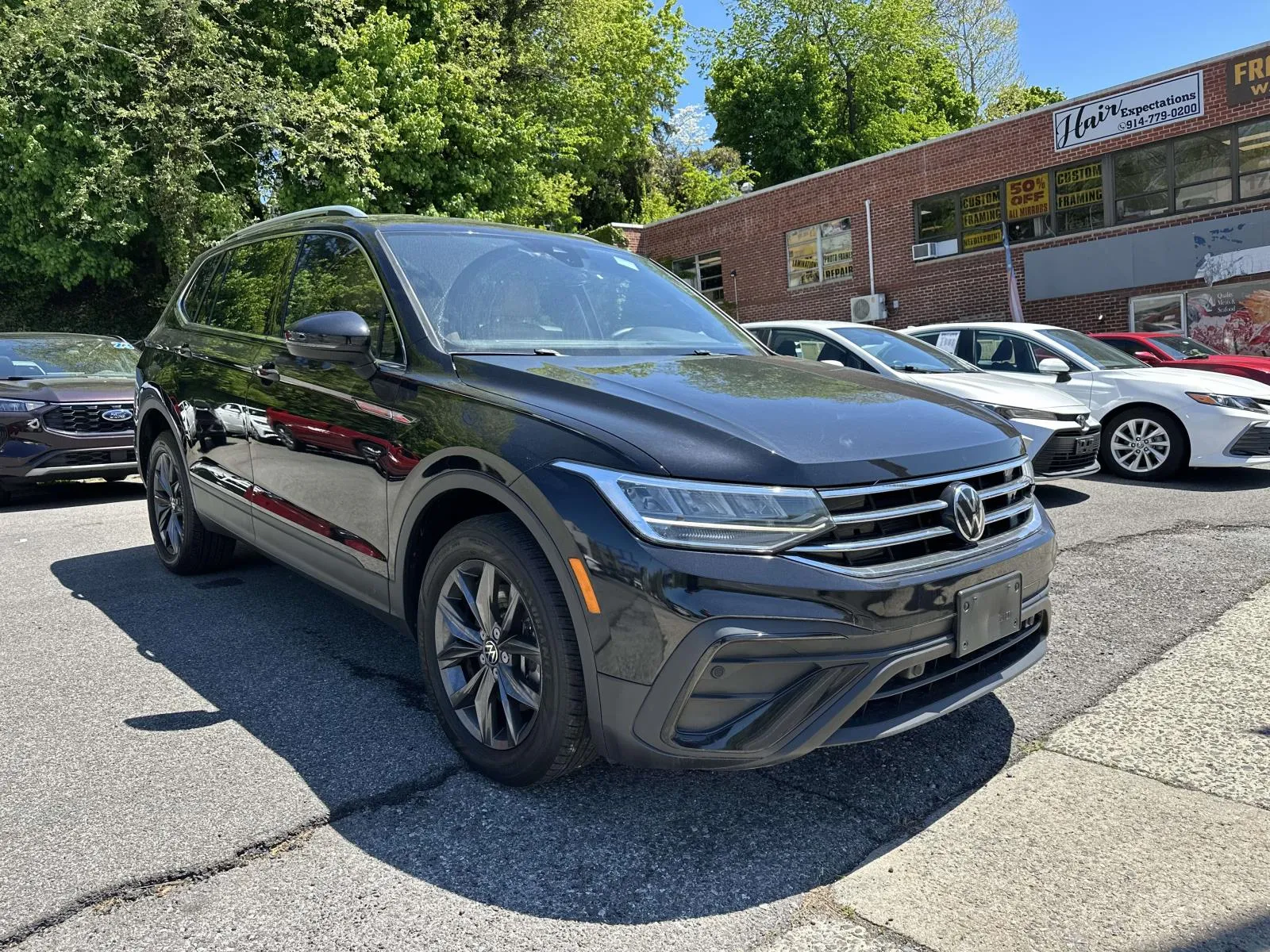
Spring Car Maintenance Checklist: What Westchester County Drivers Should Do Every April

April in Westchester County brings longer days and warmer temperatures, but it also reveals everything winter left behind on your vehicle. Road salt, freeze-thaw cycles, and months of cold starts take a measurable toll on brakes, tires, fluids, and more. For drivers across Yonkers, New Rochelle, Greenburgh, and the surrounding areas, spring is the most important time of year to reset your vehicle's health before the heat and heavy driving of summer arrive. This used cars Westchester County checklist is built around the specific conditions local roads create, and it covers what to inspect, what to address now, and why waiting costs significantly more than acting early.
The Real Cost of Skipping Spring Maintenance
Proactive vs. Reactive: Why Timing Matters
The most common maintenance mistake is treating a vehicle service as something you do when something goes wrong. In reality, most major automotive failures have a warning period, a window where the problem exists but has not yet caused cascading damage to surrounding systems.
A brake pad worn past its service limit does not just stop working. It grinds into the rotor, warping or scoring it, turning a straightforward pad replacement into a full brake job. A coolant system that was low and ignored through a hot summer can overheat and damage a head gasket, turning a fluid top-off into a repair that sidelines the vehicle for days. In both cases, the repair cost multiplies significantly once damage spreads.
Spring is the ideal intervention point. You are catching the aftermath of winter before it compounds. The checklist below is organized by priority so you can work through it systematically.
Tires: Winter Damage Is Not Always Visible
If your vehicle is still on winter tires, April is the time to swap back to all-season or summer rubber. Winter compound tires are designed for cold temperatures and shed their performance benefits quickly once the pavement warms consistently above 45 degrees Fahrenheit. Running them into late spring accelerates wear and reduces handling precision.
Beyond the seasonal swap, inspect all four tires carefully for the following:
- Tread depth below 4/32 inches, the threshold where wet weather stopping distance begins to degrade meaningfully
- Sidewall bulges or cracking, which are common after repeated pothole impacts on Westchester roads
- Uneven wear patterns across the contact patch, which indicate alignment or inflation issues
- Rim damage or bends that can cause slow leaks or affect balance
Tire pressure also fluctuates with temperature. For every 10-degree drop in air temperature, tire pressure falls roughly one PSI. Check and adjust to the manufacturer's specification found on the door jamb sticker, not the number printed on the tire sidewall.
Brakes: What Cold Weather Does Under the Surface
Brake systems take on significant stress during winter. Road salt accelerates corrosion on rotors, calipers, and brake lines. Cold temperatures cause brake fluid to absorb moisture over time, which lowers its boiling point and can introduce corrosion into the hydraulic system.
Listen for grinding, squealing, or pulsation through the brake pedal when stopping. These are not cosmetic sounds. They are mechanical signals. A certified technician will measure rotor thickness, check pad wear from the inside and outside faces, inspect the caliper slides for freedom of movement, and test brake fluid condition. A visual check from outside the wheel is not a substitute for a proper brake inspection.
Fluids: The Systems That Keep Everything Alive
Every fluid in your vehicle has a service life and a functional range. Spring is a good time to check and address all of them before the demands of summer driving peak.
| Fluid | What to Check | Why It Matters in Spring |
|---|---|---|
| Engine oil | Level and condition on dipstick | Cold starts thicken oil; degraded oil accelerates engine wear |
| Coolant | Level, color, and freeze point | Summer heat stresses a cooling system already weakened by winter |
| Brake fluid | Color and moisture content | Absorbed moisture lowers boiling point and promotes internal corrosion |
| Power steering fluid | Level and color | Low fluid causes pump noise and accelerates rack wear |
| Windshield washer fluid | Level and freeze rating | Spring pollen and road film demand frequent use |
Wiper Blades: A Small Item With a Safety Impact
Winter wiper blades, if you run them, are designed for ice and snow, not spring rain. Standard blades that survived winter often emerge with cracked rubber, streaking, or frame damage from ice buildup. A blade that skips or streaks at highway speed is a safety issue, not a nuisance.
Replace blades that show any of the following: visible rubber cracking, streaking or skipping across the glass, squeaking under normal pressure, or lifting away from the windshield at highway speed. Wiper blades are one of the most cost-effective safety items on the vehicle, and April rain on Westchester roads is not the time to find out yours have failed.
Battery and Electrical: Winter Drains More Than You Think
Cold temperatures reduce battery capacity. A battery that held adequate charge all winter may be significantly weakened by spring, particularly if the vehicle sat for extended periods or ran frequent short trips where the alternator never fully recharged the battery.
Have the battery load-tested, not just voltage-checked. A battery can show acceptable resting voltage while failing under the load of a cold start or accessory draw. Most service centers can perform a load test quickly and tell you where the battery stands in its remaining service life.
What a Certified Technician Finds That You Won't
A self-inspection covers what is visible. A certified technician covers what is not. Brake line corrosion, CV axle boot tears, exhaust system damage from road salt, and suspension wear are all conditions that develop over winter and are rarely visible without lifting the vehicle and inspecting with trained eyes.
At Yonkers Automall, our automotive service center performs comprehensive multi-point inspections that go well beyond the checklist items a driver can assess at home. Our technicians are trained to identify the specific wear patterns that Westchester County road conditions create, and they document findings clearly so you understand exactly what your vehicle needs and what can wait.
If you recently purchased or are considering a pre-owned vehicle, pairing a spring inspection with one of our vehicle protection plans is one of the most practical ways to manage repair costs going forward. You can also reach our service team directly to schedule a spring inspection appointment. And if you are considering upgrading your current vehicle, browse our inventory on the used vehicles page to see what is currently available.
Your April Spring Maintenance Checklist
- Swap winter tires for all-season or summer tires
- Inspect all four tires for tread depth, sidewall condition, and wear patterns
- Adjust tire pressure to the manufacturer's specification
- Inspect brake pads, rotors, and calipers; check brake fluid condition
- Check engine oil level and condition; change if approaching service interval
- Inspect coolant level, color, and freeze/boil protection range
- Check power steering and windshield washer fluid levels
- Replace wiper blades if streaking, skipping, or visibly cracked
- Have the battery load-tested
- Inspect lights: headlights, taillights, brake lights, and turn signals
- Check for any active warning lights and address diagnostics
- Look for signs of rust or salt damage on the undercarriage and brake lines
Frequently Asked Questions
When should I switch from winter tires to all-season tires in Westchester County?
The general guideline is to make the switch once overnight temperatures are consistently above 45 degrees Fahrenheit, which in Westchester County typically falls in mid-to-late April. Running winter tires beyond that point accelerates wear on the softer compound and reduces fuel efficiency.
How often should I get a full vehicle inspection near Yonkers?
Most manufacturers recommend a multi-point inspection at least once a year, and many service professionals recommend twice annually aligned with seasonal changes. A spring inspection after winter and a fall inspection before cold weather returns is a practical rhythm for drivers in the Westchester County and Yonkers area where road conditions are particularly demanding.
Can I do spring car maintenance myself or do I need a professional?
Basic items like checking fluid levels, replacing wiper blades, and inspecting visible tire condition are reasonable DIY tasks for most owners. However, brake inspections, suspension checks, battery load testing, and undercarriage evaluations require a lift and professional tools to perform accurately. Skipping the professional inspection to save money upfront often results in missing the issues that become the most expensive repairs later.
Does road salt in Westchester cause long-term vehicle damage?
Yes. Road salt accelerates corrosion on brake lines, exhaust components, frame rails, and suspension hardware. Vehicles driven regularly on salted roads in Westchester County, the Bronx, and surrounding areas benefit from an undercarriage inspection each spring to catch corrosion before it compromises structural or hydraulic components.
Spring is the right time to know exactly where your vehicle stands. Find out what financing options are available if an upgrade makes more sense than another repair season.
Get Prequalified